Category: Uncategorized
-

Large Dumpster Rental Guide: What Size Do You Need?
A complete large dumpster rental guide comparing 10, 20, 30, and 40-yard sizes by cost, capacity, and best use — plus permits, driveway protection, and banned materials.
-

DIY Residential Junk Removal: How to Get Rid of Anything
You can get rid of almost any residential junk yourself by sorting it into four streams — trash, recyclables, donations, and special-disposal items (electronics, chemicals, appliances, tires) — then hauling each stream to the right destination or curb. For most single-room cleanouts or yard debris piles, DIY junk removal costs…
-

Pool Landscaping Ideas: Plants, Hardscaping & Privacy
The best pool landscaping combines chlorine- and salt-tolerant plants, privacy screening, durable hardscaping, and proper drainage to create a backyard oasis that’s beautiful, safe, and low-maintenance. Choose plants that won’t drop leaves or fruit into the water, install privacy hedges or fences on the windward side, use pavers or composite…
-

Appliance Disposal Guide: How to Get Rid of Old Appliances
The best way to get rid of an old appliance depends on its condition and type, but in most cases you have five options: municipal bulk pickup, retailer haul-away when buying a replacement, scrap metal recycling for cash, donation if it still works, or a dumpster/junk removal service for damaged…
-

DIY Stone Steps: How to Build Garden Steps with Natural Stone
Building stone steps in your garden is a project that looks professionally installed but is entirely achievable for a determined DIYer. Stone steps provide safe, stable footing on slopes, define garden pathways, and add natural beauty and permanent value to your landscape. The key to a successful DIY stone steps…
-
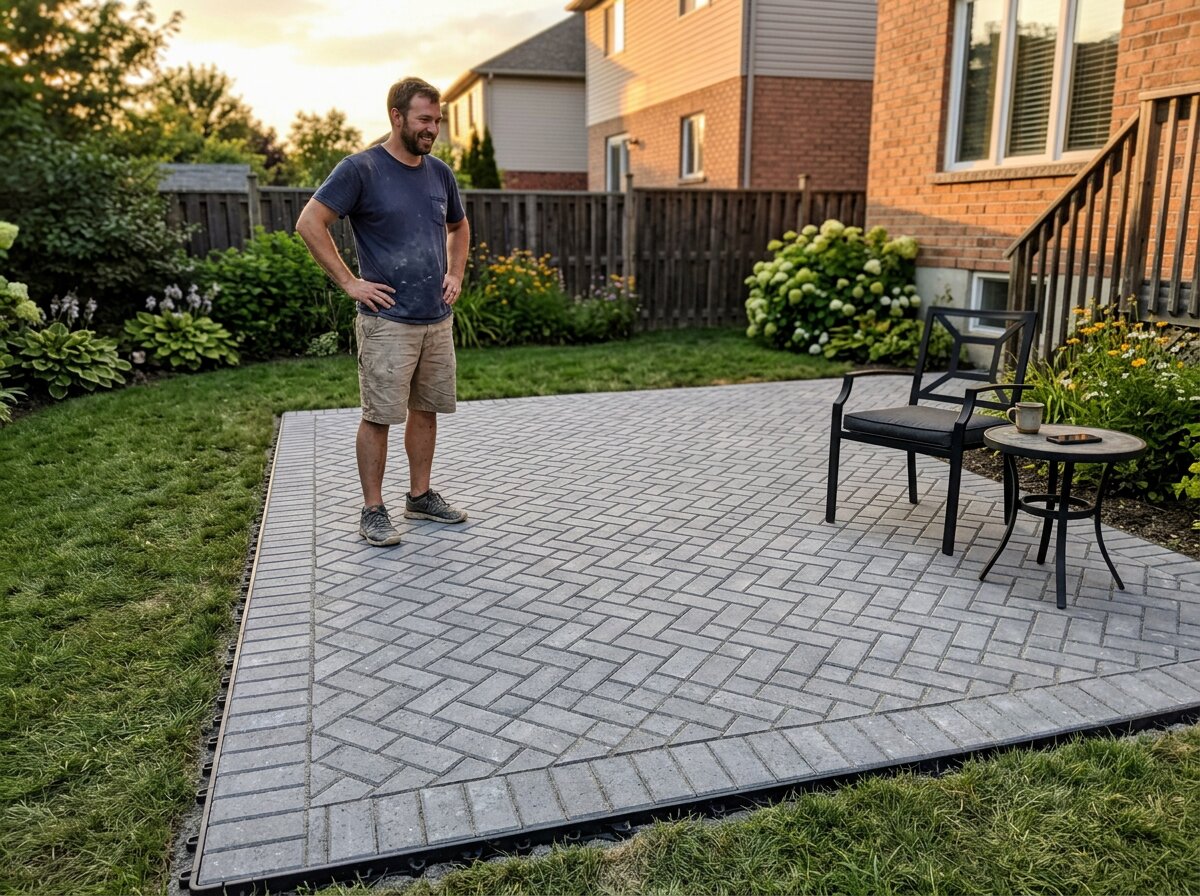
How to Install a Paver Patio: Step-by-Step DIY Guide
A paver patio transforms a boring patch of yard into an outdoor living room — a place to grill, gather, and unwind. Pavers are one of the most popular DIY hardscape materials because they are durable, available in endless colors and patterns, and relatively forgiving to install. Unlike poured concrete,…
-

DIY Garage Cleanout: Step-by-Step Organization Guide
A successful garage cleanout transforms a cluttered, unusable space into an organized extension of your home in a single weekend. The key is a systematic approach: pull everything out, sort into keep/donate/sell/trash piles, deep-clean the empty space, then reinstall only what you truly need using vertical shelving, pegboards, and overhead…
-

DIY Land Clearing: What You Can Do vs When to Hire
Land clearing is the process of removing trees, brush, stumps, rocks, and debris to prepare a lot for landscaping, construction, or agriculture. You can safely handle small-scale clearing yourself — brush cutting, sapling removal, stump grinding on small stumps, and rock picking — but anything involving large trees, steep slopes,…
-
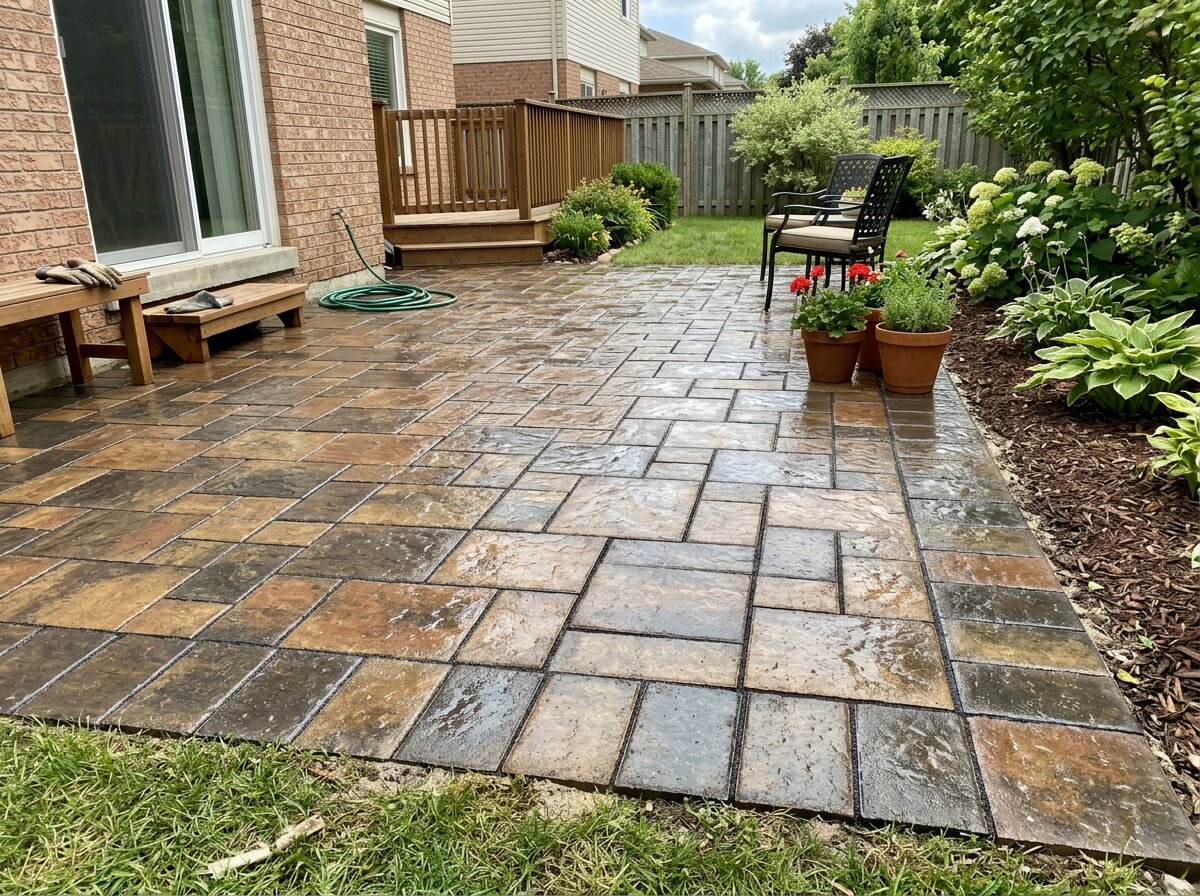
DIY Paver Sealing: Step-by-Step Guide to Protect Your Pavers
Paver sealing is the process of applying a protective coating to brick, concrete, or stone pavers to shield them from water, stains, weeds, joint-sand erosion, and UV fading. Sealing your pavers is one of the highest-value DIY projects you can tackle: it locks in the joint sand that holds your…
-

DIY Low Voltage Outdoor Lighting: Complete Installation Guide
Low voltage outdoor lighting is one of the safest, most rewarding DIY electrical projects a homeowner can tackle. Because these systems run on 12 volts stepped down from your home’s 120V by a transformer, there’s no risk of shock and no electrician or permit required in most areas. A complete…